Quick answer
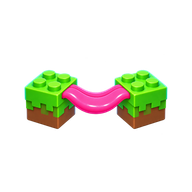
Do not attempt a stage gap until the tongue bridge reaches the platform and the landing is visible. The official description says that one wrong move can send you all the way back, so use the requirement you can actually observe instead of an invented length number.
Stage-ready checklist
- Does the tongue tip reach the next platform? If no, return to training.
- Can you see the landing area clearly? If no, adjust the camera before moving. If both checks pass, align the bridge with the landing, then extend and slide across.
This checklist applies the two documented mechanics: extend the tongue toward platforms, then slide across it. It does not claim that every stage has the same distance or reward.
After a fall
- Reframe the destination before repeating the attempt.
- Check reach again; do not assume the previous tongue position still proves the route.
- Remove unnecessary direction changes between the bridge and landing.
- If the tip still falls short, train before trying the same gap again.
No official stage names, stage count, length requirements, or payout table were published in the materials checked on September 8, 2026. Use visible reach as the requirement and avoid community tables that present unsupported numbers as fixed rules.
New players should start with the beginner guide. If reach is the blocker, read how tongue extension works.
Use one correction per retry
After a fall, identify the last condition that was clearly wrong. A tongue tip that stopped before the platform means the next retry needs more reach. A connected bridge with a hidden landing means the camera needs attention. A connected bridge and visible landing point toward the slide itself. Make that single correction, attempt again, and compare the result.
This method is deliberately non-numeric. The official description confirms challenging stages and warns that a wrong move can send a player back, but it does not publish stage names, lengths, checkpoints, or payout values. A fixed table would imply precision that the checked sources do not provide. The geometry visible in the current stage is the better decision input.
Keep the destination readable
Before extending, center the destination platform and locate the area where the character can finish the slide. If scenery, the avatar, or the tongue hides that area, move the view until the landing can be tracked. During the crossing, avoid adding a turn unless the current path clearly requires one. The goal is not speed; it is maintaining a readable route from start to finish.
When a new stage looks different, repeat the same two checks instead of assuming the previous gap’s setup transfers exactly. Reach and visibility are reusable checks even when the platform arrangement changes.
Stage questions
How many stages are there?
The checked official materials do not provide a dependable stage count. This page therefore focuses on the crossing decision that can be observed in play.
Is there one tongue length for every stage?
No universal length is documented. Compare the visible tip with the current destination rather than relying on an unsupported number.
What if I keep falling after the bridge connects?
Treat reach as solved for that attempt. Reset the view, keep the landing centered, and simplify the slide path before adding more training.
Source: official +1 Tongue Escape experience.